Table of Contents
ToggleForza examples appear everywhere, from soccer stadiums to video game titles to everyday Italian conversations. This single word carries weight. It means strength, force, and determination. Italians use forza to cheer on their favorite teams, encourage friends through tough times, and express raw power. The word has crossed borders and languages, becoming recognizable worldwide. This article explores how forza shows up in sports, daily life, and popular culture. Each forza example demonstrates why this Italian word resonates with so many people.
Key Takeaways
- Forza translates to “strength” or “force” in Italian and originates from the Latin word “fortia,” sharing roots with “fortitude.”
- Sports provide the most recognizable forza examples, with fans chanting phrases like “Forza Italia” and “Forza Azzurri” at soccer matches worldwide.
- Italians use forza in everyday conversations as encouragement, saying it to friends before job interviews or to support loved ones during tough times.
- The Forza video game franchise chose its name to represent power, speed, and competitive drive—qualities central to racing.
- Common Italian expressions featuring forza include “forza e coraggio” (strength and courage) and “farsi forza” (to gather one’s courage).
- Forza has achieved global recognition through sports, gaming, and social media, making it a universal term for motivation and determination.
What Does Forza Mean?
Forza translates directly to “strength” or “force” in English. The word comes from the Latin “fortia,” which shares roots with the English word “fortitude.” Italians use forza in multiple contexts, and its meaning shifts based on situation.
At its core, forza represents power, both physical and mental. A weightlifter demonstrates forza when lifting heavy barbells. A student shows forza when pushing through a difficult exam. The word applies to any situation requiring effort, resilience, or determination.
Forza also works as an exclamation. Shouting “Forza.” means “Come on.” or “Let’s go.” This usage appears frequently at sporting events, where fans yell forza to motivate their teams. The exclamation carries emotional intensity that English equivalents sometimes lack.
The versatility of forza makes it valuable. One word covers physical strength, mental toughness, encouragement, and motivation. This flexibility explains why forza examples pop up across so many different settings.
Forza in Sports and Athletics
Sports provide the most visible forza examples. Italian soccer fans have made “Forza Italia” and “Forza [team name]” famous worldwide. Visit any Serie A match, and you’ll hear forza echoing through the stadium.
Soccer teams embrace forza as part of their identity. Fans chant “Forza Juventus” or “Forza Milan” to rally behind their clubs. These chants aren’t just noise, they’re expressions of collective strength and loyalty. Players often acknowledge that hearing forza from supporters gives them extra motivation.
The Italian national team uses forza extensively. During World Cup matches, “Forza Azzurri” (Go Blues) becomes the rallying cry for millions. The phrase represents national pride and competitive spirit combined.
Forza extends beyond soccer. Cycling fans shout forza at riders climbing steep Alpine stages during the Giro d’Italia. Formula 1 supporters use forza to cheer on Ferrari. Tennis crowds yell forza to encourage Italian players at major tournaments.
Athletes themselves use forza in training contexts. Coaches might tell players to show more forza, meaning they need to dig deeper and push harder. The word implies both physical power and mental resilience. A tired athlete who keeps fighting demonstrates forza.
International sports fans have adopted forza too. Even non-Italian speakers recognize the word’s meaning through cultural exposure. Forza has become a universal sports term for encouragement and determination.
Forza in Everyday Conversation
Italians use forza regularly outside sports contexts. The word appears in daily conversations as encouragement, motivation, and emotional support.
“Forza.” works as a general cheer. Parents say it to children facing challenges. Friends say it to each other before job interviews or important meetings. The single word communicates “you’ve got this” efficiently.
The phrase “farsi forza” means to gather one’s strength or courage. Someone facing a difficult situation might need to farsi forza before proceeding. This forza example shows the internal, psychological dimension of the word.
“Con forza” translates to “with force” or “with strength.” Musicians see this instruction in sheet music, telling them to play a passage powerfully. The phrase also describes doing anything with determination, working con forza, speaking con forza, or living con forza.
Italians express sympathy using forza too. Telling someone “forza” during hard times conveys support without excessive words. It’s direct encouragement: stay strong, keep going, don’t give up.
The word appears in common expressions:
- “Forza e coraggio” (strength and courage)
- “Con la forza della disperazione” (with desperate strength)
- “A forza di” (by dint of, through repeated effort)
These forza examples show how deeply the word integrates into Italian language. Speakers use forza naturally across formal and informal situations.
Forza in Popular Culture and Gaming
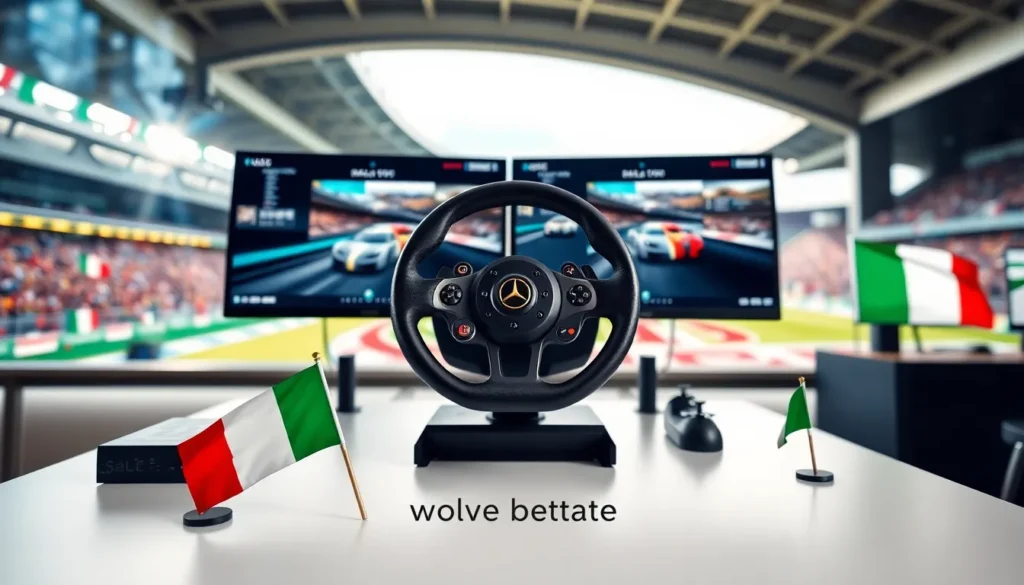
The Forza video game franchise represents the most famous pop culture forza example. Microsoft’s racing series, Forza Motorsport and Forza Horizon, has sold millions of copies worldwide. The games chose “Forza” deliberately. Racing requires power, speed, and competitive drive. The Italian word captures these qualities perfectly.
Forza Motorsport launched in 2005 and became a flagship Xbox title. The franchise now spans multiple games across simulation racing and open-world formats. Players worldwide recognize “Forza” as synonymous with high-quality racing games. The word’s association with speed and power made it an ideal brand name.
Forza Horizon takes the concept further. These games emphasize freedom, exploration, and automotive excellence. Each Forza Horizon release generates significant excitement among gaming communities. The forza name has become valuable intellectual property.
Beyond gaming, forza appears in music, film, and literature. Italian songs frequently reference forza in lyrics about love, struggle, and perseverance. Movies set in Italy often include characters using forza in dialogue.
Brands have adopted forza for products suggesting strength. Energy drinks, fitness supplements, and sports equipment sometimes use forza in their names. The word conveys power and performance to consumers.
Social media has spread forza examples globally. Hashtags like #forza appear in motivational posts. People caption workout photos and achievement announcements with forza. The word transcends language barriers because its meaning is widely understood.
Forza has achieved crossover appeal. Italian speakers use it naturally. Non-Italian speakers recognize it from sports, gaming, and popular culture. This broad recognition makes forza examples increasingly common in international contexts.


