
Table of Contents
ToggleRetro gaming ideas are bringing classic video games back into living rooms across the country. Players who grew up with 8-bit graphics and cartridge-based consoles now have more options than ever to revisit their favorite titles. The appeal is simple: these games offer pure, undistracted fun without microtransactions or mandatory updates.
Whether someone dusts off an original NES or fires up an emulator, the experience connects them to gaming history. This guide covers practical retro gaming ideas that work for solo players and groups alike. From building a dedicated setup to discovering forgotten classics, these approaches make old-school gaming fresh again.
Key Takeaways
- Set up a dedicated retro gaming station with a CRT TV or upscaler for the most authentic visual experience.
- Host a retro gaming night featuring multiplayer classics like Mario Kart 64, GoldenEye 007, or Street Fighter II for instant group fun.
- Challenge yourself with speedruns to transform familiar games into fresh, measurable goals that extend replay value.
- Explore hidden gems like River City Ransom, Terranigma, and Vagrant Story to discover overlooked classics beyond mainstream titles.
- Create custom achievements or use RetroAchievements.org to add new challenges to games that predate modern trophy systems.
- These retro gaming ideas work for solo players and groups alike, making old-school gaming feel fresh again.
Set Up a Dedicated Retro Gaming Station
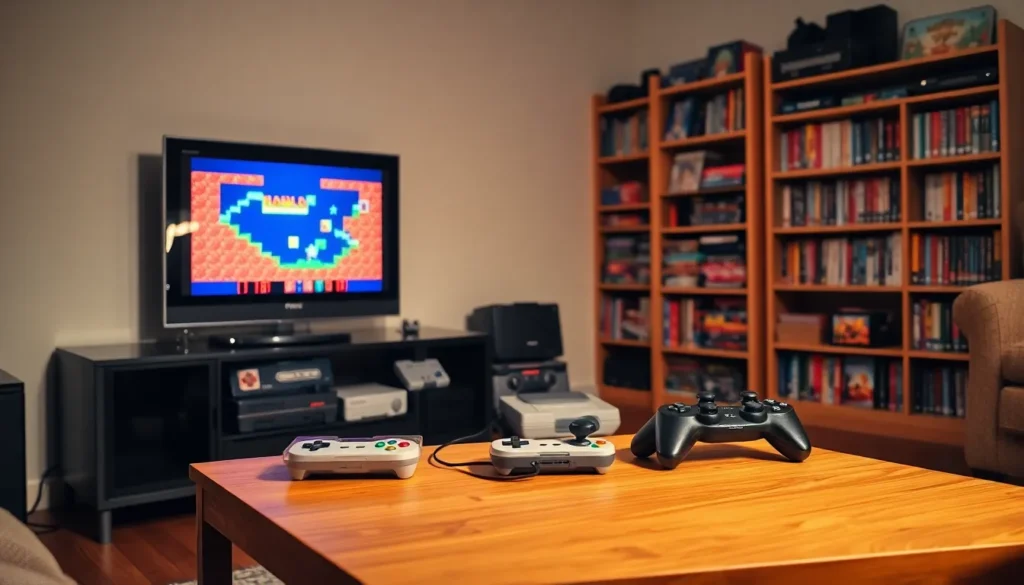
A dedicated retro gaming station transforms casual nostalgia into a proper hobby. The setup doesn’t require a massive budget or technical expertise. It does require some planning and the right equipment.
Choose the Display Carefully
Old consoles look best on CRT televisions. These bulky screens display pixel art the way developers intended. Modern flat-screen TVs can introduce input lag and stretch images awkwardly. Thrift stores and Facebook Marketplace often have CRTs for under $50, sometimes free.
For those who prefer modern displays, look for TVs with a “game mode” setting. This reduces input delay significantly. Some players invest in upscalers like the RetroTINK or OSSC, which convert old video signals to crisp HDMI output.
Gather Original Hardware or Quality Alternatives
Original consoles provide the most authentic experience. A working Super Nintendo or Sega Genesis connects players directly to the source material. But, old hardware fails over time. Capacitors leak, cartridge slots wear out, and power supplies die.
Clone consoles offer a middle ground. The Analogue Pocket and Analogue Duo use FPGA technology to replicate original hardware behavior. These devices play real cartridges with excellent accuracy. Budget options like the Retron 5 work well enough for casual retro gaming sessions.
Organize the Collection
Physical games deserve proper storage. Plastic cases protect cartridges from dust and damage. Alphabetical organization saves time when browsing. Some collectors display their games on shelves: others prefer hidden storage to reduce clutter.
Digital libraries need organization too. Emulator users should create folders by system and genre. Good naming conventions make specific titles easy to find. A well-organized retro gaming station invites regular use rather than occasional visits.
Host a Retro Gaming Night With Friends
Retro games shine in multiplayer settings. Many classic titles were designed for couch co-op before online gaming existed. A retro gaming night brings people together around shared memories and competitive fun.
Select the Right Games
Not every old game works for groups. The best picks have simple controls, quick rounds, and room for multiple players. Here are proven crowd-pleasers:
- Mario Kart 64: Four-player racing that creates instant rivalries
- GoldenEye 007: The original split-screen shooter experience
- Street Fighter II: Two-player battles that draw spectators
- Bomberman: Chaotic multiplayer action for up to four players
- NBA Jam: Arcade basketball with over-the-top dunks
Games with steep learning curves frustrate newcomers. Stick to titles that anyone can pick up within minutes.
Create the Right Atmosphere
Retro gaming ideas extend beyond the screen. Set up snacks and drinks that match the era. Pizza and soda capture that ’90s basement vibe. Dim the lights slightly, CRT screens glow beautifully in darker rooms.
Background music from game soundtracks sets the mood before gameplay starts. Spotify and YouTube have playlists dedicated to classic video game music. These small touches turn a regular hangout into a memorable event.
Add Structure With Tournaments
Casual play works fine, but tournaments raise the stakes. Create a simple bracket and track wins on a whiteboard. Offer small prizes like retro candy or gaming merchandise. Competition motivates players who might otherwise sit out after a few rounds.
Round-robin formats ensure everyone plays multiple games. Elimination brackets work better for larger groups. Either way, a clear structure keeps the night moving forward.
Challenge Yourself With Speedruns and Achievements
Speedrunning transforms familiar games into fresh challenges. Players race through titles as fast as possible, often discovering techniques the original developers never imagined. This retro gaming idea adds hundreds of hours to games that once took an afternoon to complete.
Getting Started With Speedruns
Beginners should pick a game they already know well. Familiarity with level layouts and enemy patterns provides a foundation. Popular speedrun games include Super Mario Bros., The Legend of Zelda, and Mega Man 2.
Watch existing runs on Speedrun.com or YouTube. Top players demonstrate optimal routes and advanced techniques. Many speedrunners share tutorial videos explaining tricks step by step. The community welcomes newcomers and celebrates improvement at any skill level.
Track Personal Records
Retro gaming becomes more engaging with measurable goals. A timer on screen shows exactly how a current attempt compares to previous bests. Split software like LiveSplit tracks progress through individual sections of a game.
Improvement happens gradually. Shaving seconds off a run feels rewarding even when world records remain distant. Personal bests create ongoing motivation to return to the same titles.
Create Custom Achievements
Many retro games predate achievement systems. Players can create their own challenges to extend replay value. Examples include:
- Complete a game without dying
- Finish with the lowest possible score
- Beat a title using only certain weapons or abilities
- Win without collecting optional power-ups
RetroAchievements.org adds formal achievement tracking to emulated games. The site offers community-created challenges for thousands of retro titles across dozens of systems.
Explore Hidden Gems and Overlooked Classics
The most popular retro games receive constant attention. Mario, Zelda, and Sonic dominate conversations about classic gaming. But every console library contains quality titles that flew under the radar. Discovering these hidden gems delivers the thrill of finding something new within a familiar medium.
Where to Find Recommendations
Retro gaming communities share knowledge freely. Reddit’s r/retrogaming and r/patientgamers discuss overlooked titles regularly. YouTube channels like My Life in Gaming and Game Sack produce detailed retrospectives on forgotten games.
Genre-specific searches yield great results. Looking for “best SNES RPGs” or “underrated Genesis action games” surfaces titles beyond the obvious choices. These games often cost less than popular alternatives, making them affordable additions to any collection.
Notable Hidden Gems by System
Every major retro console has diamonds waiting for discovery:
- NES: River City Ransom, Crystalis, Little Samson
- SNES: Terranigma, ActRaiser, Demon’s Crest
- Genesis: Rocket Knight Adventures, Gunstar Heroes, Landstalker
- PlayStation: Vagrant Story, Einhänder, Tomba.
- Nintendo 64: Mischief Makers, Mystical Ninja, Sin and Punishment
Many hidden gems belong to genres that later fell out of fashion. Beat-’em-ups, shmups, and isometric RPGs thrived in the 16-bit era. Players who explore these retro gaming ideas encounter experiences that modern gaming rarely replicates.
Approach With Fresh Eyes
Older games had different priorities than today’s releases. Expect shorter playtimes, limited saves, and higher difficulty. These weren’t flaws, they were design choices shaped by arcade origins and cartridge limitations. Appreciating games on their own terms leads to more satisfying experiences.


